Crop focus •
22 December 2025

The phosphatic fertilization in rice cultivation

In a previous article we discussed nitrogen fertilization in rice, the effects of its deficiency on crop performance, and the correct methods of nitrogen fertilization in rice cultivation.

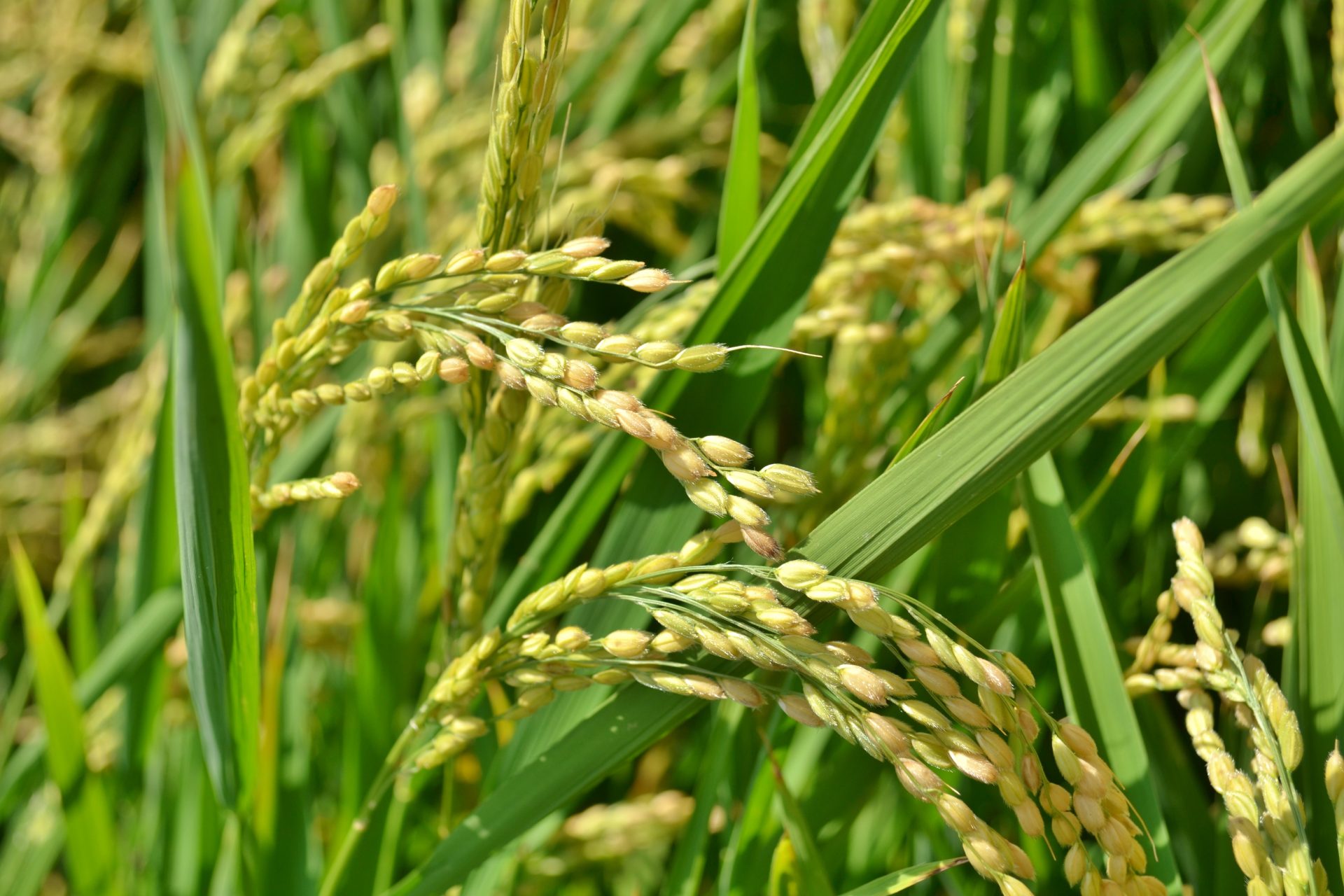
From a quantitative perspective, rice’s nitrogen requirements are certainly higher than those for phosphorus. However, this macronutrient also plays a fundamental role in rice nutrition, as it is involved in key physiological processes.

As always, let’s start from the basics. After all, we are talking about the most widely grown cereal in the world after wheat.

How important is rice cultivation for Italian agriculture?

Italy is the leading rice producer in Europe, with about 220,000 hectares under cultivation and approximately 1.5 million tons of grain produced annually, of which over 50% is destined for export.

Cultivation is concentrated mainly in the North, with Lombardy and Piedmont as the two most involved regions, followed by Veneto, and smaller-scale production in Emilia-Romagna, Tuscany, Calabria, and Sardinia.

The availability of water, and efficient canal networks for its use, is one of the most important factors determining the geographical distribution of rice cultivation.

Water in rice cultivation

The flooding of rice fields for most of the crop cycle is a key aspect of growing this cereal. The advantages of this practice are mainly twofold: on one hand, the thermal buffer provided by water helps reduce temperature fluctuations, to which rice is highly sensitive, and controls weed development.

Water management in rice cultivation includes several variations, such as dry seeding with delayed flooding, and alternating dry and flooded periods—a technique tested not only to optimize water use but also to reduce methane emissions (a greenhouse gas) from rice fields, which are significant due to organic matter decomposition under anaerobic conditions.

Rice and phosphorus nutrition

Phosphorus is found in molecules essential for life, such as ATP and nucleic acids, and is involved in sugar metabolism and photosynthesis. Agronomically, in cereals it plays a key role in promoting root system development and tillering. For rice, it is also crucial for enhancing cold tolerance during the early stages of the crop cycle.

The highest phosphorus uptake occurs in the young plant, which is why most of the annual requirement should be applied pre-seeding, reaching its peak during panicle differentiation.

In case of deficiency, the plant struggles to grow, remaining short in stature with a poorly developed root system; there are also delays in phenological stages and an increase in empty grains. Finally, kernel composition is suboptimal.

Phosphorus, an element under scrutiny

We have already addressed this topic in another article, where we highlighted how cultivated soils worldwide are becoming depleted of phosphorus, despite high chemical fertilizer inputs. This is mainly due to erosion and retrogradation into insoluble forms, making it unavailable to crops.

The optimal soil pH for phosphorus availability is generally between 6.0 and 7.0. Outside this range, in acidic soils (leading to iron or aluminum salts) or alkaline soils (calcium salts), phosphorus can become fixed in insoluble compounds.

This evidence, combined with the progressive depletion of mineral phosphorus sources worldwide, calls for a paradigm shift in phosphorus fertilization.

How?
On one hand, by applying phosphorus through organic or organo-mineral fertilizers, which release the nutrient slowly and gradually over time, reducing losses due to insolubilization.

On the other hand, by promoting the mobilization of phosphorus reserves already present in soils: in this case, a major contribution comes from beneficial rhizosphere microorganisms. Their presence in soils can be stimulated by fertilization with humified organic matter, but also by using inoculated fertilizers, which act directly on the microbiota.
Agribios tips

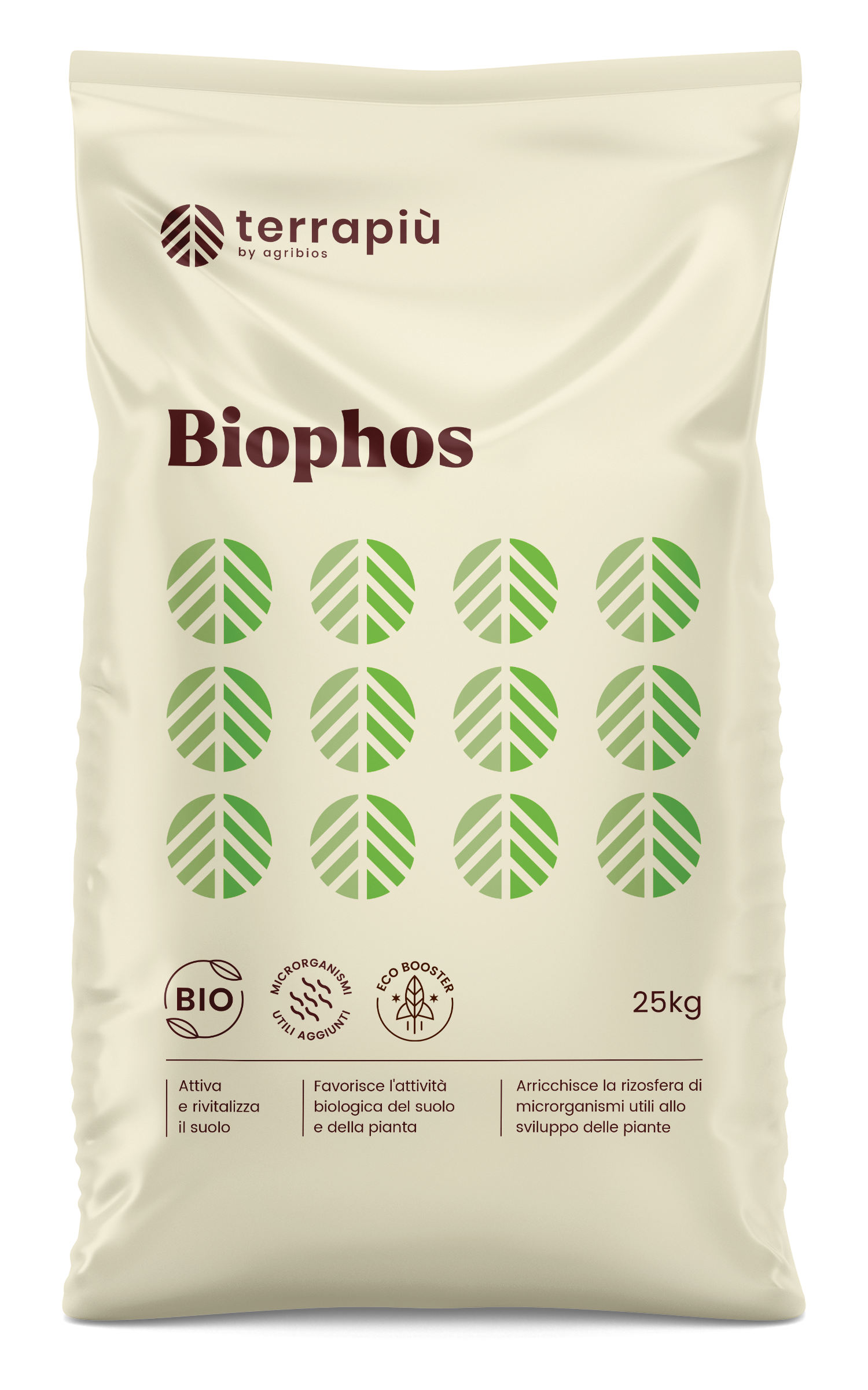
Biophos is an organic fertilizer allowed in organic farming, highly innovative, combining multiple functions. In addition to providing high-quality humified organic matter with soil-regenerating action, it delivers a specific pool of rhizosphere bacteria that, through their activity in the soil, act on existing phosphorus, making it available again for crops.

Biophos naturally releases phosphorus present in the soil and makes it available to plants by breaking, thanks to the microorganisms supplied, the chemical bonds that lock phosphorus in the soil. Some bacteria, in fact, naturally produce alkaline phosphatase and phytase, enzymes that solubilize mineral phosphates, making them available for absorption.


Prodotti correlati

Biophos
Biophos

Fertilizers with microorganisms

Subscribe to the newsletter

Subscribe now
immagine icona della newsletter
Agribios Italiana s.r.l.
Yara