Tillage operations are among the key factors determining the organic matter content and the evolution of a cultivated soil toward degradation or, conversely, toward regeneration, due to their effects on carbon dynamics, soil structure, biological activity, and susceptibility to erosion.
Raw materials and formulations
•
20 February 2026
20 February 2026
Soil tillage and soil health, a delicate topic
Soil tillage and organic matter
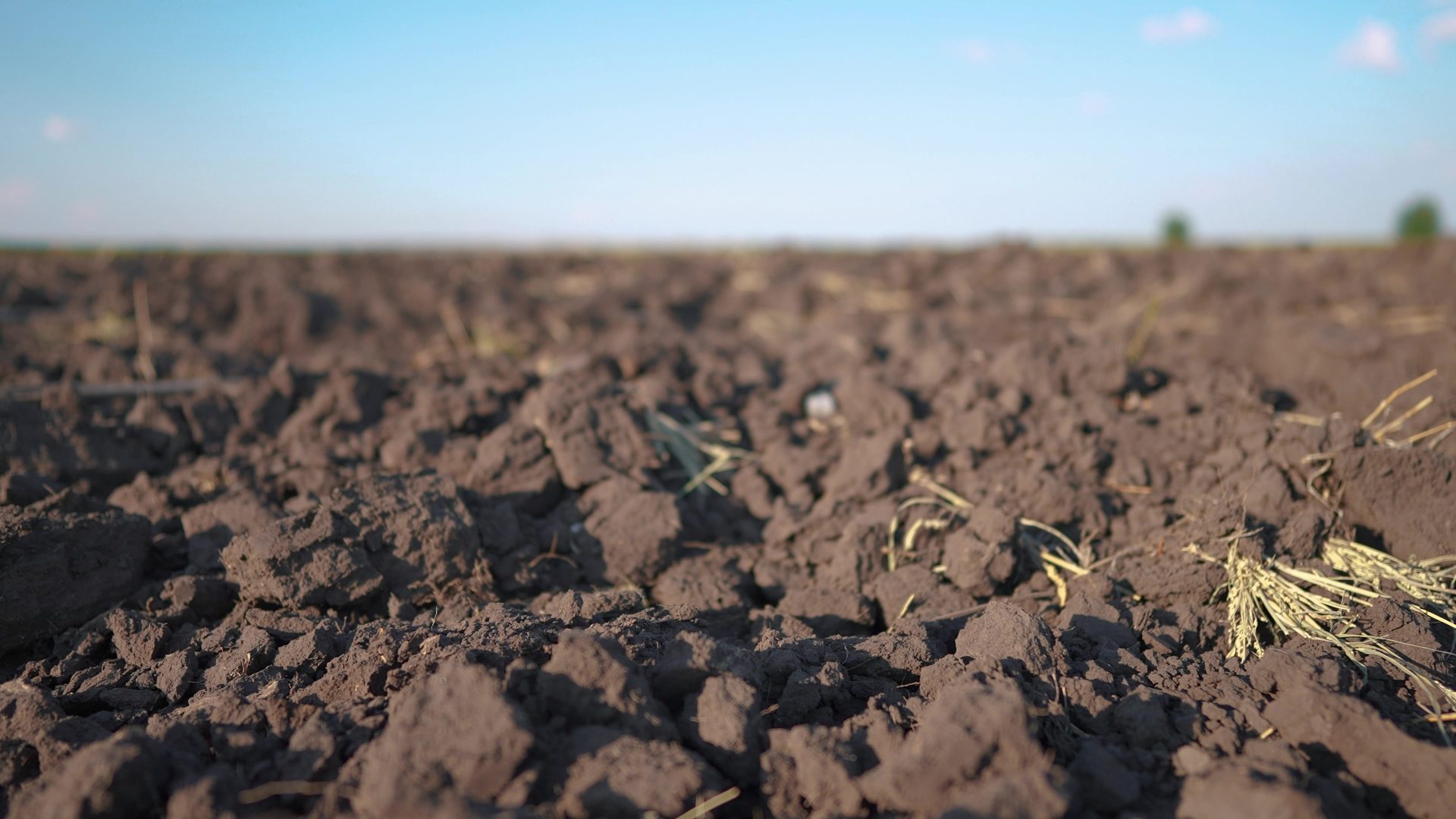
Experimental evidence and field experience indicate that tillage intensity and depth modulate soil organic carbon stocks and the productive performance of soils: where tillage is minimal or absent—especially when such management choices are combined with mulching, cover crops, and organic fertilization—an increase in organic matter is observed in the upper layers (up to 20 cm deep) compared to similar soils subjected to invasive, repeated operations such as ploughing.
Mechanical disturbance caused by deep tillage leads to the fragmentation of aggregates, increased aeration, and exposure of protected organic matter to microbial mineralization, accelerating carbon oxidation and releasing CO₂ from the soil. The negative effects thus include not only a reduction in overall soil fertility, but also a contribution to climate change due to greenhouse gas emissions.
Tillage and soil physical properties
Organic matter content is the primary factor underlying structural stability, the formation of macroaggregates, and soil porosity. Production systems in which tillage is employed only when strictly necessary—such as conservation agriculture and regenerative agriculture—reduce bulk density (an indicator of increased porosity) and improve the soil’s water-holding capacity, thanks to the protective effect on organic matter and the preservation of the root systems of both main crops and cover crops.
Organic matter acts as a binding agent among mineral particles, promoting the formation of aggregates resistant to slaking and compaction; its loss due to intensive tillage results in a structure characterized by smaller aggregates, surface crusting, reduced infiltration, and increased runoff. In challenging pedoclimatic contexts (e.g. saline-sodic soils or degraded soils), the combination of targeted tillage (such as subsoiling combined with shallow tillage) and organic amendments promotes larger and more stable aggregates.
Tillage and soil vitality
The biological component of the soil is particularly sensitive to mechanical disturbance, which alters habitat conditions, the continuity of pore spaces, and the availability of organic substrates. Cropping systems with reduced or no tillage, coupled with residue retention on the surface and/or inputs of stable organic matter, generally exhibit significantly higher microbial biomass, enzyme activity (dehydrogenase, phosphatase, urease), and macrofauna abundance (earthworms) compared with systems dominated by intensive tillage.
Alterations in the composition and abundance of the rhizosphere microbiota affect nutrient cycles, fertilizer use efficiency, and the overall resilience of soil chemical fertility, since higher amounts of organic matter and more active microbial communities sustain the gradual mineralization of Nitrogen and the mobilization of Phosphorus and micronutrients. Conversely, the decline in microbial biomass and diversity associated with intensive tillage systems, together with the reduction in organic matter, leads to the loss of key ecosystem services (carbon sequestration, filtration, detoxification).
Do intensive tillage practices contribute to soil degradation?
The degradation of cultivated soils, understood as the progressive loss of productive capacity and ecosystem functions, is closely linked to the combination of organic matter depletion, structural deterioration, and erosion. Intensive tillage systems, particularly in the absence of vegetative cover or residues, increase susceptibility to water and wind erosion, resulting in the depletion of carbon and nutrients.
Organic matter acts as a binding agent, promoting the formation of water-stable aggregates that constitute the first mechanical barrier against particle detachment during raindrop impact and surface runoff. Microbial polysaccharides, roots, and organo-mineral complexes increase resistance to aggregate breakdown and help maintain a higher mean aggregate size, reducing surface crusting and, consequently, erosion vulnerability.
This beneficial effect is further strengthened by greater infiltration of rainfall, which reduces the proportion of precipitation converted into runoff, lowers the energy of surface flow, and limits sediment transport.
Globally, declining soil organic matter content is recognized as one of the main drivers of desertification, compaction, and yield decline, with effects amplified by climate change and unsustainable tillage practices.
Rationalizing, not demonizing
The key lies in “moderation”: tillage should not be demonized, but rather used sustainably—from both an environmental and an economic perspective. What defines the boundary between sustainable and unsustainable tillage depends on many factors: the type, frequency, and depth of the operations; soil characteristics and weather (and climate) conditions; the crop in place (annual? Perennial? Shallow- or deep-rooted?); and the objective of the intervention: interruption of capillary rise, incorporation of crop residues or fertilizers/amendments, weed or pest management…
A global vision, solid technical knowledge, and an orientation toward long-term agricultural viability are necessary to determine when and how much to till the soil in order to meet crop needs while preserving soil health.

Subscribe to the newsletter
Subscribe now
