Crop focus •
18 December 2025

Nitrogen, sulfur and organic matter for top brassicaceae performance

They are grown throughout Italy, both in open field and protected cultivation, and in different seasons: sowing or transplanting can take place in summer for autumn-winter harvests or in spring for summer harvests. We are talking about crops belonging to the botanical family Brassicaceae or Crucifers, mostly annual or biennial species.

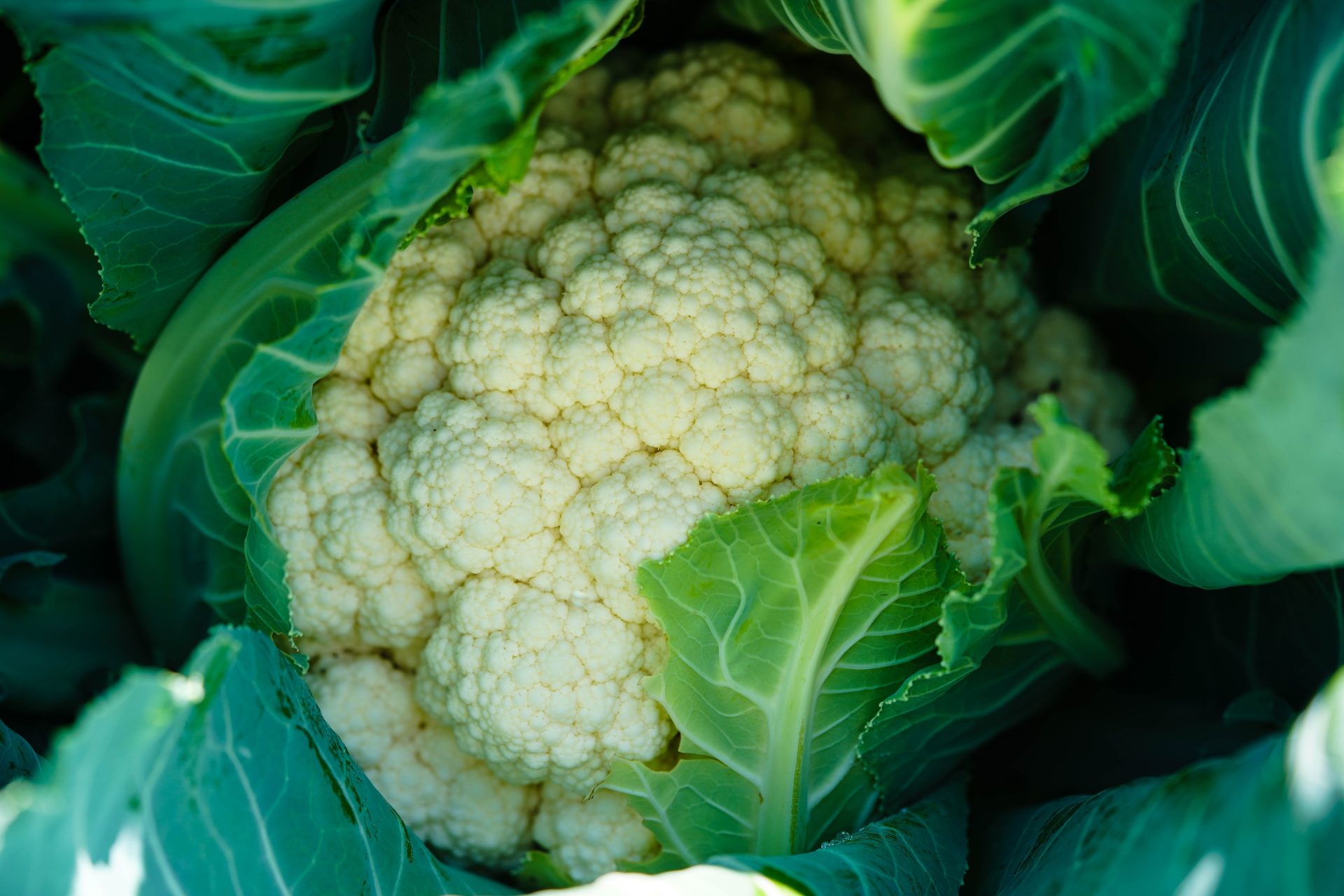
The most common brassicaceae used for human consumption all belong to a single species, Brassica oleracea L. (cabbage), of which various cultivars are grown. Some are consumed for their leaves (white cabbage, savoy cabbage, Chinese cabbage, Brussels sprouts), others for their immature inflorescences (broccoli, turnip tops, broccoletti, cauliflower). Other species in the brassicaceae family include vegetable crops, as well as forage and oilseed crops such as turnip, rapeseed, mustard, radish and arugula.

Which brassicaceae are grown in Italy?

Rapeseed (colza)—grown for feed, energy and food purposes—with about 30,000 hectares, is the most widely cultivated brassicaceae in Italy. Among vegetables, cauliflower leads with about 15,000 hectares, followed by broccoli, savoy cabbage, white cabbage, turnip, radish and arugula.

These vegetables are key ingredients in local culinary traditions (think of turnip tops in Apulian cuisine). More broadly, brassicaceae are valued for their high vitamin content and antioxidant properties.

Thanks to their nutraceutical value, organic cultivation of brassicaceae—both vegetables and rapeseed—is increasing in Italy. The area dedicated to organic brassicaceae vegetables in 2023 was nearly 13,000 hectares, up from about 9,000 in 2022. Organic rapeseed and turnip covered about 6,700 hectares in 2023, compared to 4,600 in 2022. Rapeseed oil, prized for its high polyunsaturated fatty acid content, is particularly appreciated in Northern European markets. Like alliaceae, brassicaceae also play an important protective role for the cardiovascular system.

Where are brassicaceae grown in Italy?

Brassicaceae are grown throughout northern Italy (from Piedmont to Veneto and Emilia-Romagna). In the center, Marche leads in acreage, followed by Umbria and Lazio. In southern Italy, they are mainly grown in Apulia, and to a lesser extent in Campania and Sicily.

By crop distribution: cauliflower, broccoli and turnip are mainly grown in the south, while savoy cabbage, white cabbage and radish dominate in the center-north. Arugula is grown everywhere, but the Sele Plain in Campania is its prime area. Rapeseed is widespread in northern Italy, especially in the northeast.

Adaptation and agronomic role of brassicaceae

Brassicaceae adapt well to temperate climates, without extreme temperatures, and to medium-textured soils with good organic matter content, which helps maintain and restore soil structure, promoting an optimal balance between water retention and drainage—a key factor for crop health and productivity. Soil pH should be neutral or slightly acidic.

Brassicaceae are considered renewal crops, meaning they improve soil conditions for subsequent crops in rotations, thanks to their root systems, deep tillage, heavy fertilization, and their ability to reduce certain biotic stresses.

They can reduce nematodes, soil fungi and harmful insects by releasing isothiocyanates, toxic to pests and pathogens. Some brassicaceae are grown for green manure or applied as brassicaceae-based pellets for biofumigation.

Isothiocyanate precursors, glucosinolates (also known as sulfur glycosides or thioglucosides), remain inactive in plant tissues until they contact endogenous enzymes called myrosinases, released after tissue damage. This triggers β-thioglucoside bond cleavage, forming unstable intermediates that yield isothiocyanates, thiocyanates or nitriles.

Protection, irrigation and fertilization of brassicaceae

In addition to disease control (fungal: powdery mildew, downy mildew, alternaria; bacterial: black rot; viral: cauliflower mosaic virus) and pest management (nematodes, cutworms, thrips, wireworms), irrigation and fertilization are crucial.

Proper soil moisture is essential. Water stress can cause premature flowering, poor inflorescence development and yield loss; excess moisture leads to nutrient leaching, especially nitrogen, and higher disease incidence.

Given the diversity of brassicaceae species and cultivation systems (open field vs greenhouse), general nutritional guidelines are challenging. However, two key points apply to all:

  • First: Brassicaceae need balanced supplies of all three macronutrients, but nitrogen is central. Both deficiency and excess cause problems (leaf yellowing in the first case; poor inflorescence quality and higher disease susceptibility in the second). Nitrogen balance near harvest is critical to avoid high nitrate levels in edible tissues, especially in cauliflower. For optimal nitrogen fertilization, organic and organo-mineral products are recommended.
  • Second: Adequate sulfur availability is essential for glucosinolate synthesis.

Agribios tips

Fumier Sulfer is a homogeneous blend of humified manure, partially hydrolyzed animal proteins, micronized sulfur, ferrous sulfate heptahydrate and magnesium. Its humic acids bind ferrous iron through carboxylic and phenolic groups, forming natural iron humates, making iron available to plants. Ideal for crops requiring iron, sulfur and magnesium, such as many vegetables. Fumier Sulfer is approved for use in organic farming.

Also approved for organic farming, Biocomplex 6.8.12 is an organo-mineral fertilizer made from a blend of organic fertilizers rich in nitrogen and phosphorus, with added potassium sulfate. It combines the slow-release organic fraction with readily available nitrogen, thanks to free amino acids acting as biostimulants in synergy with humic acids, ensuring rapid root activity recovery even under stress (e.g., thermal stress). Biocomplex 6.8.12 also enhances soil microbial activity, improving fertility. It contains magnesium, calcium, sulfur and several trace elements (iron, manganese, boron, copper, zinc) in plant-available forms.

Agri Bio Aktiv is an organic fertilizer inoculated with beneficial microorganisms that regenerates soils. It supplies organic matter and nutrients while promoting beneficial microbial proliferation. Its microbial composition, rich in Trichoderma, acts on soil and roots, limiting root pathogens through antagonism.


Prodotti correlati

Agri Bio Aktiv
Agri Bio Aktiv

Fertilizers with microorganisms

Fumier Sulfer
Fumier Sulfer

Organic fertilizers

Biocomplex
Biocomplex

Organo-mineral fertilizers

Subscribe to the newsletter

Subscribe now
immagine icona della newsletter
Agribios Italiana s.r.l.
Yara