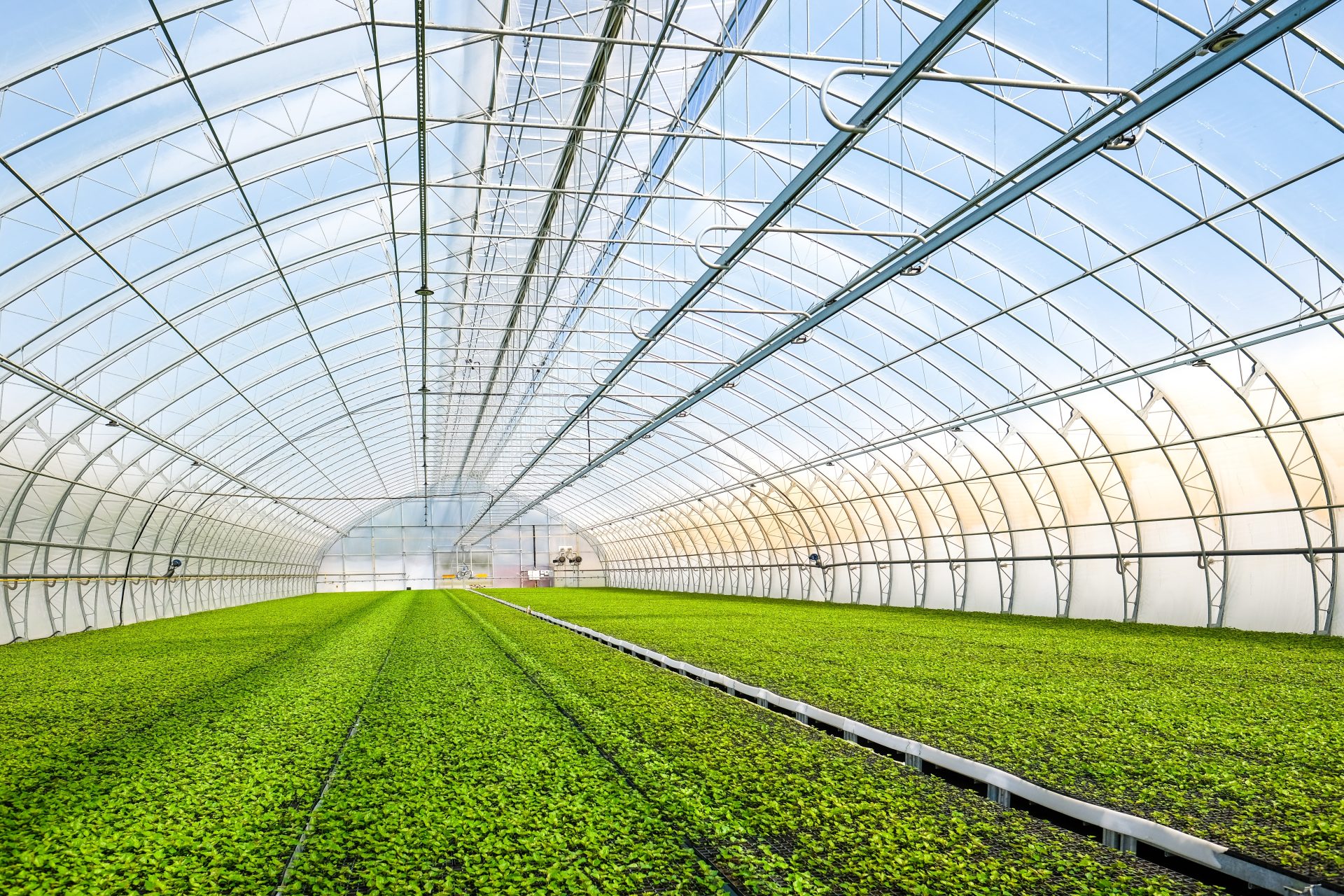
Cultivating in greenhouses or tunnels does not come without drawbacks.
The first critical aspect to highlight is structural, even before being agronomic: greenhouses and tunnels operating in Italy still largely show a limited use of technology and automation, making it more difficult to control and maintain optimal environmental conditions for crop development and at the same time generating a high labor demand for their management. The European benchmark country for highly technological greenhouses is the Netherlands.
Then, purely phytosanitary considerations arise: air humidity levels in greenhouses or tunnels are often high (especially in the absence of forced ventilation systems), favoring the development of fungal diseases, such as downy mildew and gray mold (Botrytis), but also bacterial diseases like those caused by Pseudomonas syringae, Xanthomonas campestris, and Erwinia carotovora. The risk of infection and the extent of damage will also depend on whether leafy, fruit, or seed vegetables are being cultivated.
Certain pests are also particularly threatening in greenhouses. These include insects such as aphids, thrips, and whiteflies, and mites such as the red spider mite, which can damage the aerial parts of the crop and, in some cases, transmit viruses.
Soil can also be a source of problems: wireworm larvae (Coleoptera), fungi responsible for rots, and, above all, various species of nematodes can cause direct damage to roots and collars and/or, again, transmit viruses.