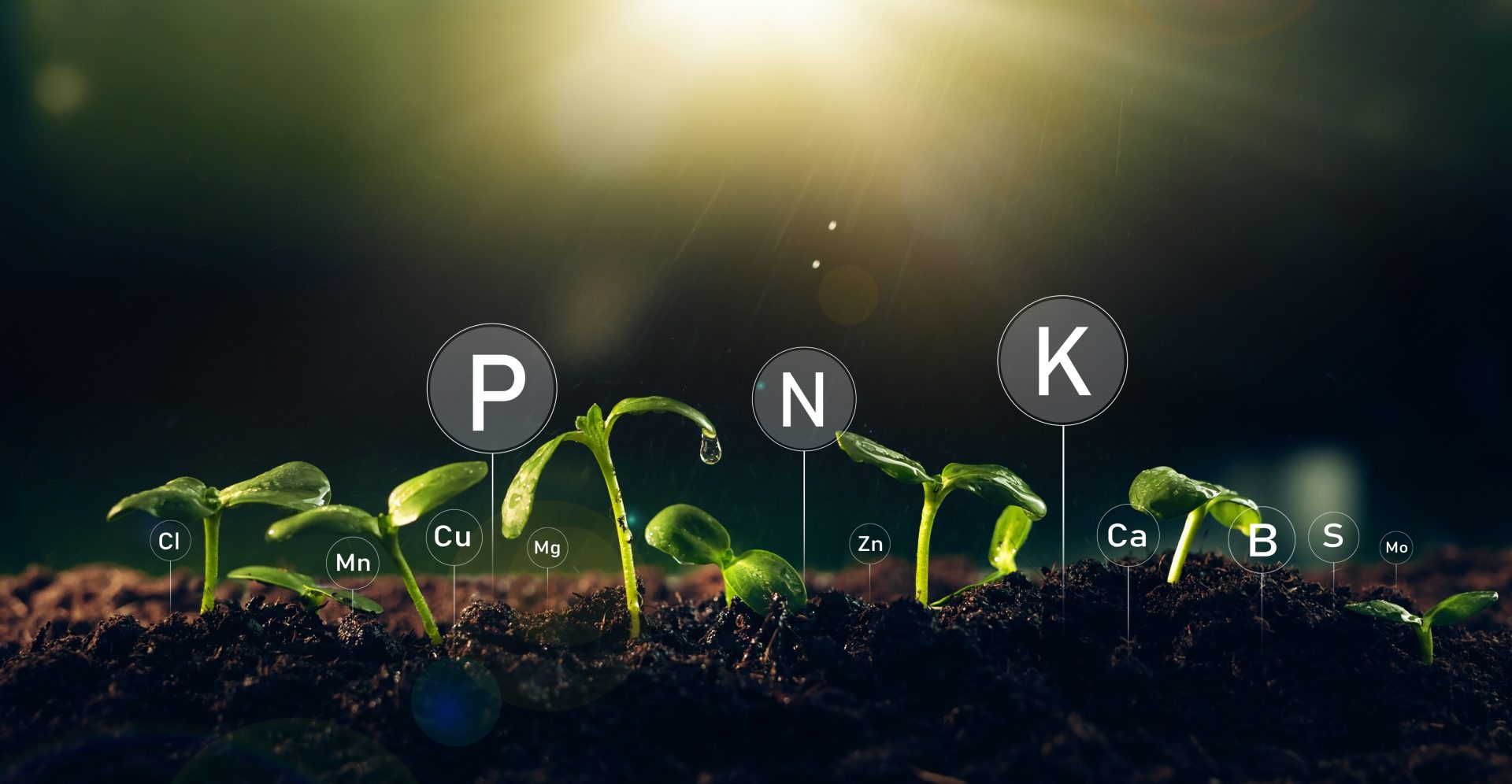
Cultivate life in the soil •
26 August 2024

A New Vision of the Law of the Minimum

Retracing the history of agriculture means, among other things, focusing on the multiple fronts on which it has evolved: improving yields, introducing new crops and new varieties of crops already known, the use of increasingly performing technical means, the mechanization of cultivation operations…

Knowledge has always been at the base of these developments, in turn fueled by research and experimentation. These, in addition to offering new solutions, have stimulated new visions and conceptions of agricultural practice.

Think, for example, of the changes that have recently been induced by the increase in the sustainability of production processes and the rationalization of the cultivation techniques that these changes have brought with them, allowing us to overcome the concept of “this is how it’s always been done”.
What does the Law of the Minimum mean?

One of the concepts that need to be revised and updated in today’s agriculture is the Law of the Minimum, developed by Carl Sprengel in 1828 and later popularized by Justus von Liebig, so much so that it is also known as Liebig’s Law.

A German chemist considered to be the father of fertilization, Liebig specifically studied plant mineral nutrition, going so far as to establish that crop yields depend mainly on the nutrient element available in smaller quantities than what the plant needs to produce. This means that, as long as the availability of the limiting nutrient element does not become optimal, the administration of the other nutrients that the plant needs will not lead to an increase in production performance.

Knowing this evidence is certainly important not only to understand what to do in order to improve yields, but also to avoid unnecessary costs and equally unnecessary impacts on the environment, to which we are certainly more attentive today than in the past.

The Law of the Minimum therefore remains valid in current practice. But what are the factors that must be taken into account to determine which of them is actually the limiting one, in the various situations?

The Law of the Minimum today

The agricultural context in which the Law of the Minimum was formulated was completely different from the current one. We can say, for example, that intensive agriculture did not yet exist, that mechanization was in its infancy and that the land was not as exploited as it is today. The general lack of stable (humidified) organic matter that characterizes cultivated soils today was not detected at the time.

In today’s agriculture, as a result of decades of mineral fertilization aimed at recovering the chemical fertility of soils with little regard for the physical and even less for the biological one, the resource that most frequently limits the fertilization of crops, and not just that, is the organic matter, more specifically its humidified fraction and its “living” version (microbiota).

An agriculture that does not care about restoring and maintaining a correct balance between the different forms of organic matter in soils, will be constantly looking for solutions to problems such as nutritional deficiencies (even in the presence of abundant supplies of nutrients), the susceptibility of crops to parasites and diseases (even with the adoption of protection strategies) and suffering from environmental stress, linked to a non-optimal physiological and nutritional state of the plant.

Acting on the limiting factor

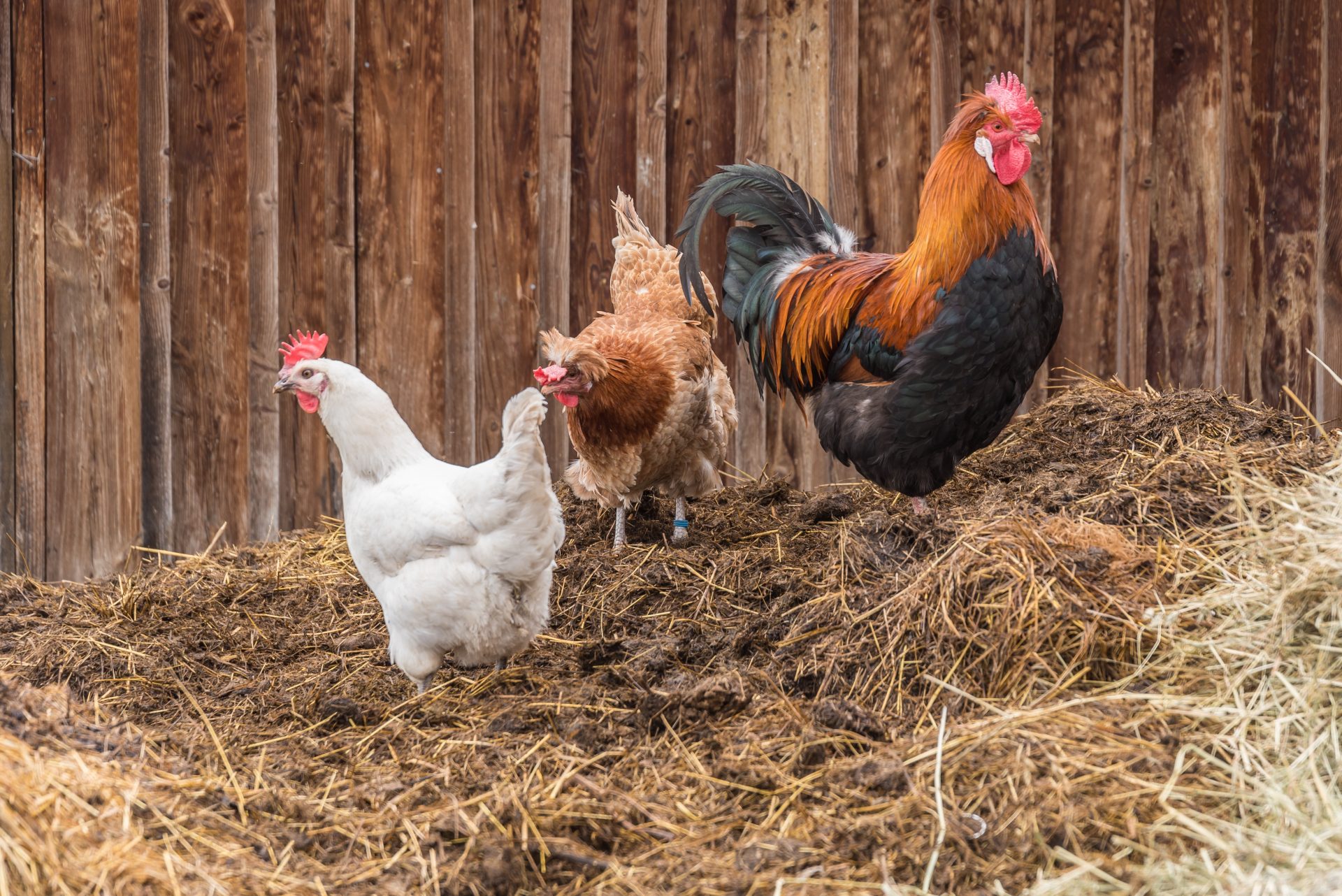
The natural consequence of the above is the need to set up fertilization programs starting from organic matter which, if insufficient, becomes the real limiting factor, because it can reduce or eliminate the positive effects on input yields such as water, nutrients and pesticides.

This is why at Agribios Italiana we believe, since our inception, in the value of organic and organo-mineral fertilization, as well as in the utility of stimulating and/or restoring the presence of useful microorganisms in cultivated soils. These practices, by improving soil fertility as a whole and not only from a chemical point of view, allow a global reduction in inputs because they increase its efficiency.

In this new interpretative key, the Law of the Minimum assumes a much wider agronomic value than the original one and becomes a useful tool for pursuing objectives not only of sustainable agriculture, from an economic and environmental point of view, but also of regenerative agriculture, which today more than ever is the focus of the primary sector.


Subscribe to the newsletter

Subscribe now
immagine icona della newsletter
Agribios Italiana s.r.l.
Yara