Regenerative agriculture: what it is and what are the benefits

Regenerative agriculture: the solution to improve the health of farmed soils
The concept of regenerative agriculture was born a few decades ago. In fact, it was Robert Rodale – son of J.I. Rodale, founder of the Rodale Institute in Pennsylvania, who in 1983 began to speak of ‘regenerative Agriculture’.
It’s not always easy today to unambiguously define regenerative agriculture. However, the extreme concreteness that characterizes it allows us to outline its essential features, as well as the purposes and advantages deriving from its application.
What is regenerative agriculture: sustainable practices for modern agriculture
Regenerative agriculture is a productive approach based on agronomic practices that have low environmental impact and are highly sustainable, capable of having a positive effect on nature and the climate, in a significant and measurable way.
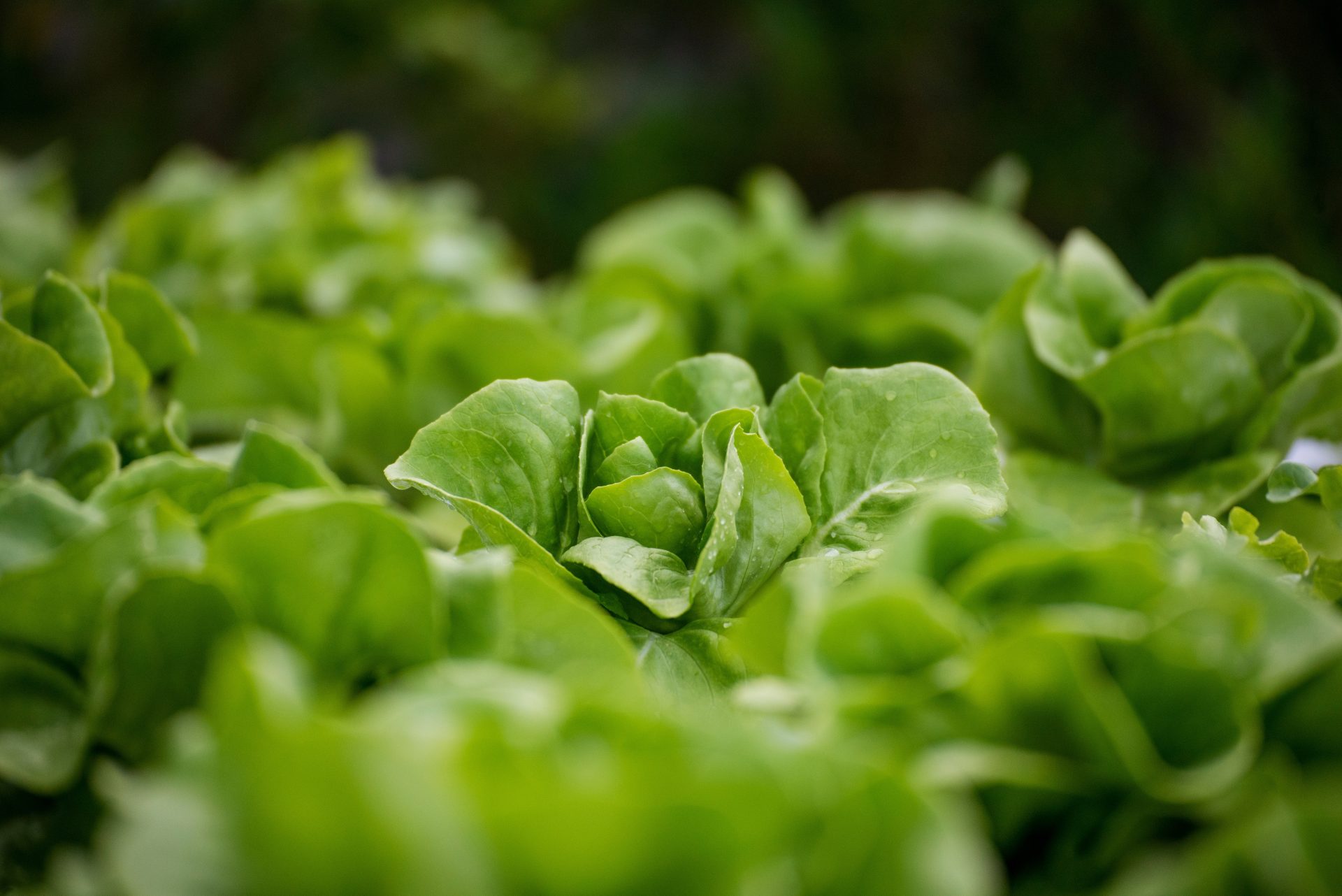
Objectives of regenerative agriculture
The main goal of regenerative agriculture is to protect and improve soil health, the support which the production of almost all agricultural crops depends on.
Regenerative agriculture aims not only to maintain soil fertility, but to increase it, through the use of agricultural practices that focus on sustainability and the promotion of biodiversity. The the foundation of regenerative agriculture is the well-being of agricultural ecosystems, and of the natural ones closely linked to them, together with meeting the agricultural entrepreneur’s profitability objectives and achieving high quality standards of production.
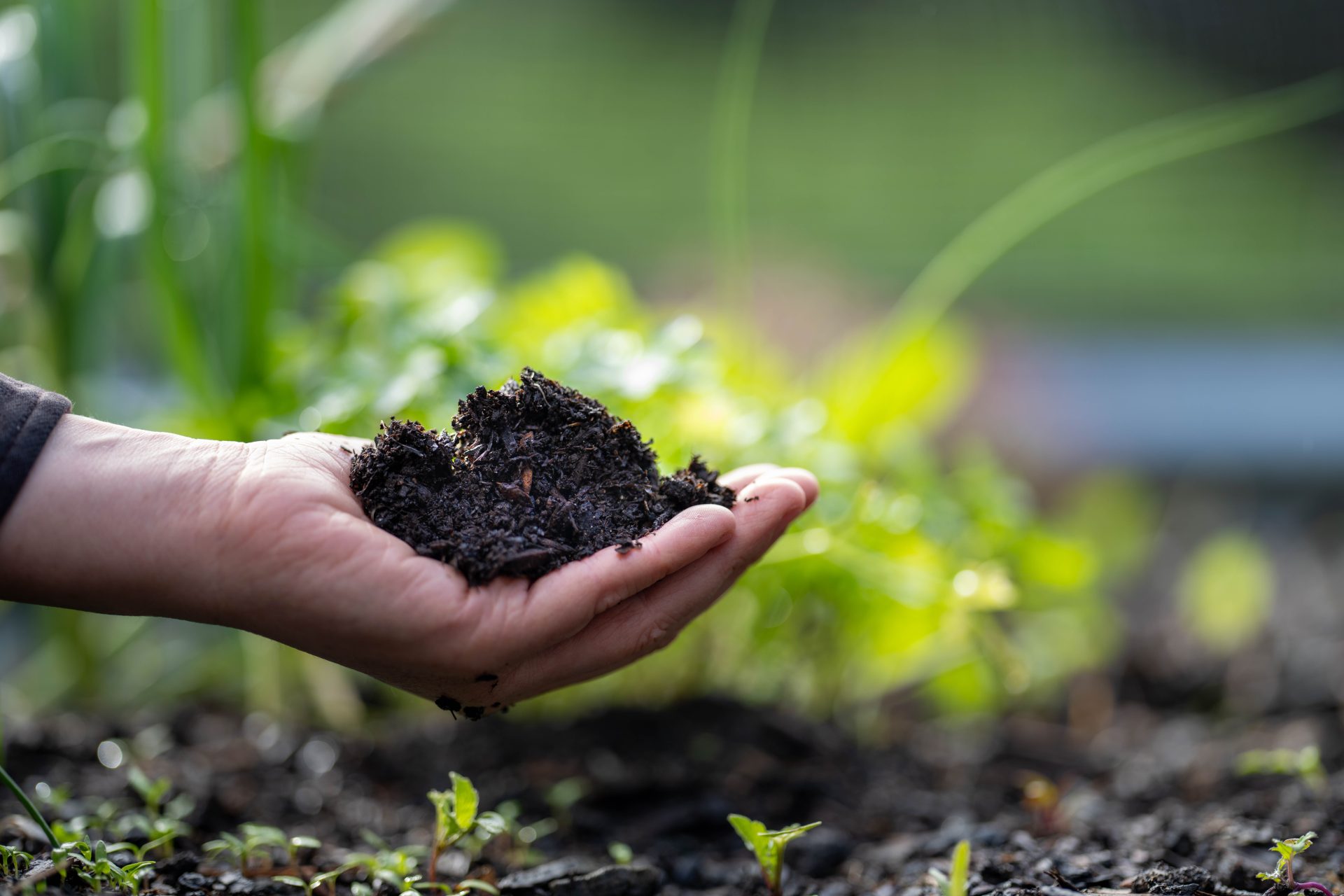
The 5 principles of regenerative agriculture
The aspects which regenerative agriculture focuses on the most concern both the production process and the implications that it has on the surrounding environment. They can be summarized as follows.

Climate. Regenerative agriculture aims to rationalize agricultural practices to reduce greenhouse gas emissions and, consequently, the impact on the climate change. Particular attention is paid, in this regard, to the careful management of mechanical processes, which generate emissions both due to the use of fuels and due to the mineralization of the organic matter of soils, with the consequent release of CO2.

Biodiversity. Conventional agriculture, monoculture and the decline in biodiversity reduce the resilience of agricultural ecosystems and make them more vulnerable to biotic and abiotic adversities. This is why regenerative agriculture pays great attention to the protection and recovery of biodiversity in agro-ecosystems.

Soil health. Regenerative agriculture brings to the forefront the physical and biological fertility of soils, raising awareness to the fact that chemical fertility is not sufficient enough to guarantee yields and production quality for extended periods of time, and instead living and vital soils are required.

Resources. Optimizing the use of inputs in agriculture is one of the basic principles of regenerative agriculture, and water is first. The reuse of waste and by-products also helps to optimize the use of resources.

Prosperity. There can be no sustainable agriculture without profitability for farmers. Regenerative agriculture aims to increase this profitability, ensuring economic sustainability alongside environmental and social sustainability.
Regenerative agriculture techniques: practices to improve the soil health
The regenerative agricultural practices and techniques include:
- crop rotation, where possible;
- agroforestry;
- the reduction of chemical inputs for fertilization and crop protection;
- soil management to revitalize it, increase its porosity and its capacity to store water;
- the prudent use of fresh water for irrigation;
- the use of grass, green manure and cover crops to improve soil fertility and promote biodiversity;
- the implementation of circular economy principles to encourage the reuse of by-products and reduce the exploitation of non-renewable resources.

Regenerative agriculture, soil regeneration and biodiversity
Regenerative agriculture, as already emphasized, pays particular attention to preserving and increasing soil health. In this context, reintegrating the organic matter content of cultivated land is of primary importance, an indispensable component to guarantee the three fertility methods – chemical, physical and biological – and more.
The balance of organic matter in soils emphasizes the role that said soils play as carbon storages and promotes the biodiversity of the microorganisms that inhabit them.

Regenerative agriculture, organic matter and soil fertility
Soil fertility is the basis for ensuring agricultural production. However, where soils have been subjected to intensive agriculture for decades, the organic matter content in cultivated and agricultural land is worryingly low, often less than 2%. Climate change has accelerated this process of impoverishment.
But what is organic matter in soils and why is it so important for regenerative agriculture?
Soil organic matter consists of accumulated and decaying residues, mainly plant-based and to a lesser extent of animal origin. It guarantees:

Nourishment: it is an essential reserve of nutrients for plants;

Vitality: provides energy to microorganisms, improving microbiological fertility;

Ideal environment for root development and crop growth;

Efficiency: optimizes the effectiveness of fertilizers, improves Cation Exchange Capacity and improves the soil’s capacity to retain water, increasing resistance to drought. And much more.

The key role of organic carbon in regenerative agriculture
Organic carbon is at the heart of soil fertility, closely linked to the amount of organic matter: the higher the organic matter content in the soil, the greater the Organic Carbon content. Increasing its levels means improving the agricultural ecosystem and environmental sustainability.
The soil benefits of Organic Carbon include:


Environmental protection

Enhance root absorption capacity

Improve soil health

Nutrient source for microbs

Increase nutrient solubility and availability

Ecosystem restoration

Biotic and abiotic stress management

Enhance N fixation efficency
Environmental protection
Enhance root absorption capacity
Improve soil health
Nutrient source for microbs
Increase nutrient solubility and availability
Ecosystem restoration
Biotic and abiotic stress management
Enhance N fixation efficency
The transition to regenerative agriculture to cultivate the future
Why should you opt for regenerative agriculture?
Because it brings advantages for agriculture, for the environment and for society as a whole. Because it brings benefits to the agro-ecosystem and lays the foundations for durable agriculture with a low impact on the environment, nature and resources.
Practicing regenerative agriculture means investing in the future.