Soil organic matter and functions: how much do we know?

Soil organic matter performs fundamental functions for maintaining physical, chemical and

biological fertility but, as is clear today; its positive functions go far beyond that and include, for example, the sequestration and storage of atmospheric carbon and a whole series of ecosystem services.

But are we sure that we know in depth the ways in which the organic matter of the soil performs these functions and, above all, which fractions of it are the protagonists? A 2020 scientific publication, coming from a work group at the University of Wageningen (Netherlands) sheds new light on the topic, proposing innovative ways of research.
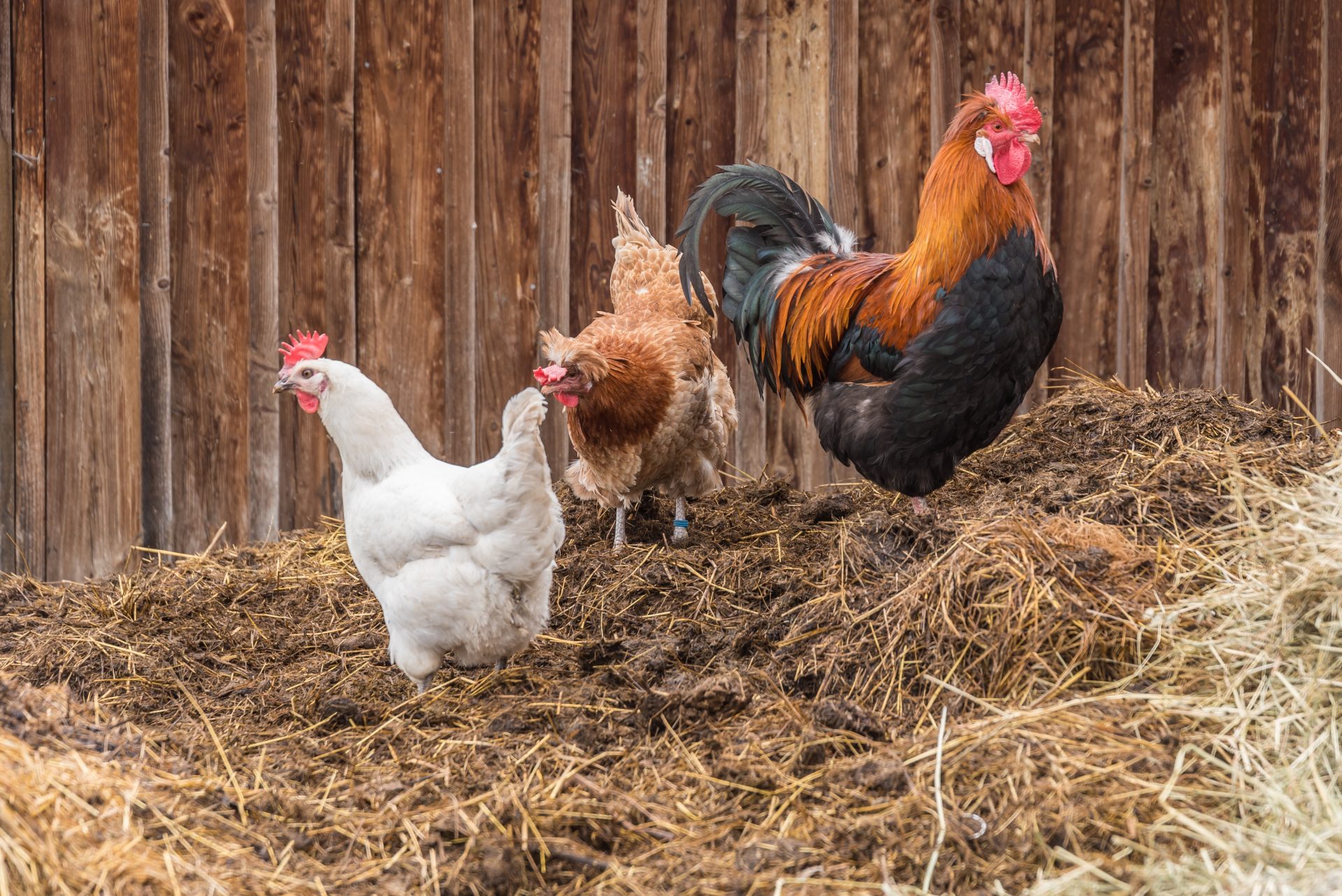

Where does soil organic matter come from and how is it transformed?

Soil organic matter consists of accumulated and decaying residues, mainly plant-based and to a lesser extent of animal origin. The organic matter of the soil is both a substrate (source of energy and nutrients) and a product resulting from the activity of soil microorganisms. While the supply of organic matter to the soil is predominantly plant-based, the organic matter of the soil gradually becomes dominated by molecules of microbial origin. Anthropogenic inputs through fertilization must be added to these natural inputs.

How has research on soil organic matter evolved

Soil organic matter research was originally focused on fertility. Subsequently, the focus moved onto interactions with heavy metals and pollutants, in productive contexts in which the contamination of cultivated land has become an important problem.

However, since awareness of global warming grew in the 80s, attention has shifted to carbon sequestration as an opportunity to mitigate the effects of climate change. The organic carbon of the first meter of soil depth contains about 50% of the Earth’s carbon pool.

Therefore, in the early 2000s, awareness of the potential compromises between the two main functions of the soil became widespread: that of a source of nutrients and that of a carbon storage tank. At the time, the compromise seemed plausible and exhaustive, as the function of a source of nutrients requires decomposition, while the storage function of Carbon requires the absence of decomposition.  Today we know that these are not the only roles that soil organic matter plays, but that it supports many other functions, including, for example, the protection against erosion and the promotion of biodiversity. At the base of these functions are processes mediated by the organic substance of the soil, which can be classified into processes related to structure (physical characteristics), to the presence of living beings (biological characteristics) and to the cycles of the elements ( chemical characteristics).

A matter of quantity or quality?

We usually say that the positive functions performed by the organic substance in the soil are promoted by its greater quantity. On the other hand, we still know little about the relationship between these functions and the quality of the organic matter.

Various attempts have been made to classify the organic substance of the soil in pools described on the basis of the concept of contrast: recalcitrant vs labile, associated with minerals vs particulate matter, protected or occluded vs free or unoccluded, etc. These and definitions refer to the chemical, biological or physical reactivity of soil organic matter, but not to the way in which it supports the functions described above. Despite the enormous amount of research conducted on the subject, indepth knowledge is still lacking on the chemical, biochemical and biological factors inextricably linked to each other and responsible for the various functions of soil organic matter. Instead, it would be necessary to understand the relationship between the characteristics of organic inputs and the functions of the soil ecosystem they support. This relationship can be direct (as a result of the properties of the inputs) or indirect, as a result of the way in which organic matter inputs shape microbial communities and the environment that surrounds them, with potential ripple effects further downstream in the soil’s food web and on ecosystem functions. For example, cellulose sources promote greater “fitness” of decomposers equipped with cellulolytic enzymes, which can acquire a dominant position compared to decomposers that depend on simpler carbon sources, as happens during fungal succession in decomposing plant litter. This shift in competitive dominance potentially extends to soil ecosystem functions, when it contributes, for example, to the suppression of certain pathogens.

In practice

On a practical level, therefore, the questions we should ask ourselves are: “What type of organic matrix do we need for a specific purpose? “or, more specifically,” What characteristics should organic soil conditioners have to promote carbon sequestration, to restore soil structure, to retain substances such as trace elements or pollutants, to prevent leaching or to suppress diseases? ”.

By breaking down the various elements, it would seem possible, at least in theory, to link specific ecosystem functions to specific fractions of Carbon. This idea has existed for some time in more simplistic forms: for example, the one according to which labile Carbon, with a low C:N ratio, mainly serves the purpose of use, while the more stable Carbon (less rich in energy, “recalcitrant”) and with a high C:N ratio serves more for the storage function.

New parameters for evaluating soil organic matter

Organic matter can be qualified with an increasing variety of techniques. However, today the metrics most used to relate the quality of organic matter to its function still have something to do with decomposability, that is, with the dichotomy of labile compounds vs stable compounds.

More refined classifications, based for example on solubility, on the O:C versus H:C ratios or on the density of functional groups are not commonly used, but would potentially be very useful.  For the cycle of nutrients from organic inputs, the C:N ratio is still the most used indicator. As soil organic matter ages, however, C:N becomes increasingly disconnected from the nutrient cycle. The lowest C:N refers to the material most strongly associated with the protected pool and therefore contributes to carbon storage and soil structure, rather than to the nutrient cycle. For the C:P, the same considerations apply.

The labile organic matter (or the contributions that compose it) quickly crosses the funnel of decomposers to transform into microbial biomass, microbial products and microbial necromass. These, in turn, support all soil functions through a series of soil processes. For soil to work, the organic substance present in it must be (at least in part) decomposed.


Subscribe to the newsletter

Subscribe now
immagine icona della newsletter
Agribios Italiana s.r.l.
Yara